Hello everyone, I am Nan Lei, the Brand Operations Manager at Haiber.
Many people ask me why I have such confidence in our company and the industry. Let me be completely frank with you: it is because we have the substance to back it up. In the amusement industry, safety is the bottom line, and professionalism is our source of confidence. It is precisely through such a professional team that Haibeier perfects every single detail. Moving forward, we will continue to leverage this professionalism to deliver amusement experiences that are safer, more entertaining, and infused with cultural warmth.
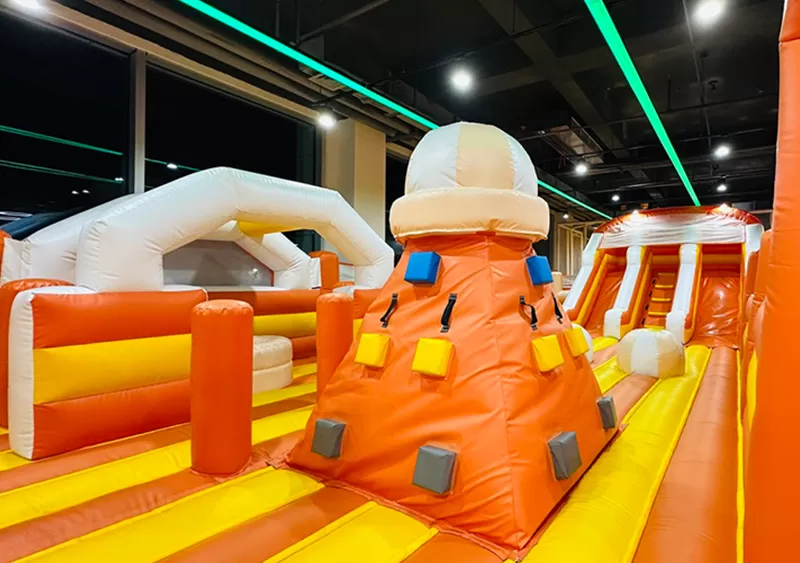
An indoor playground system is a professionally designed play environment that combines multiple activities into one integrated space. Unlike a single play structure, a complete system can include climbing areas, slides, tunnels, ball pits, soft play components, interactive games, role-play zones, and other attractions.
For commercial operators, choosing the right system is not simply about selecting colorful equipment. The layout must match the available floor area, target age group, safety requirements, customer expectations, and long-term maintenance needs.
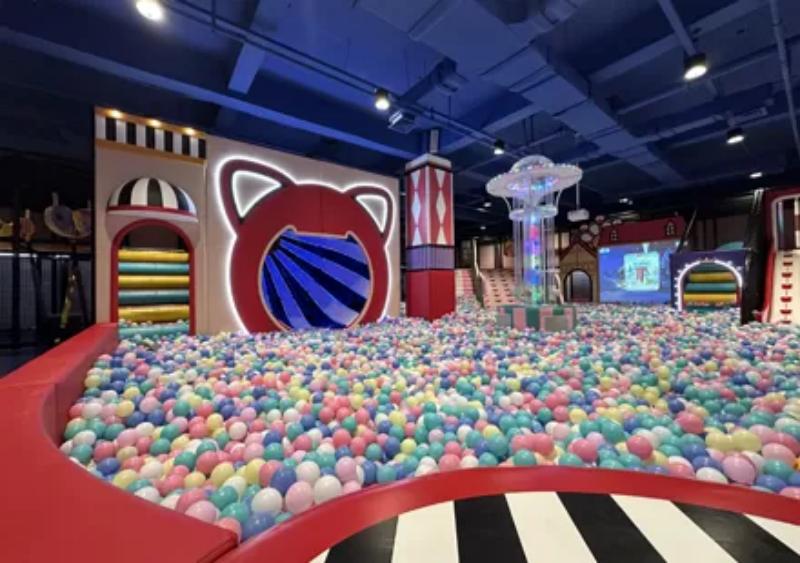
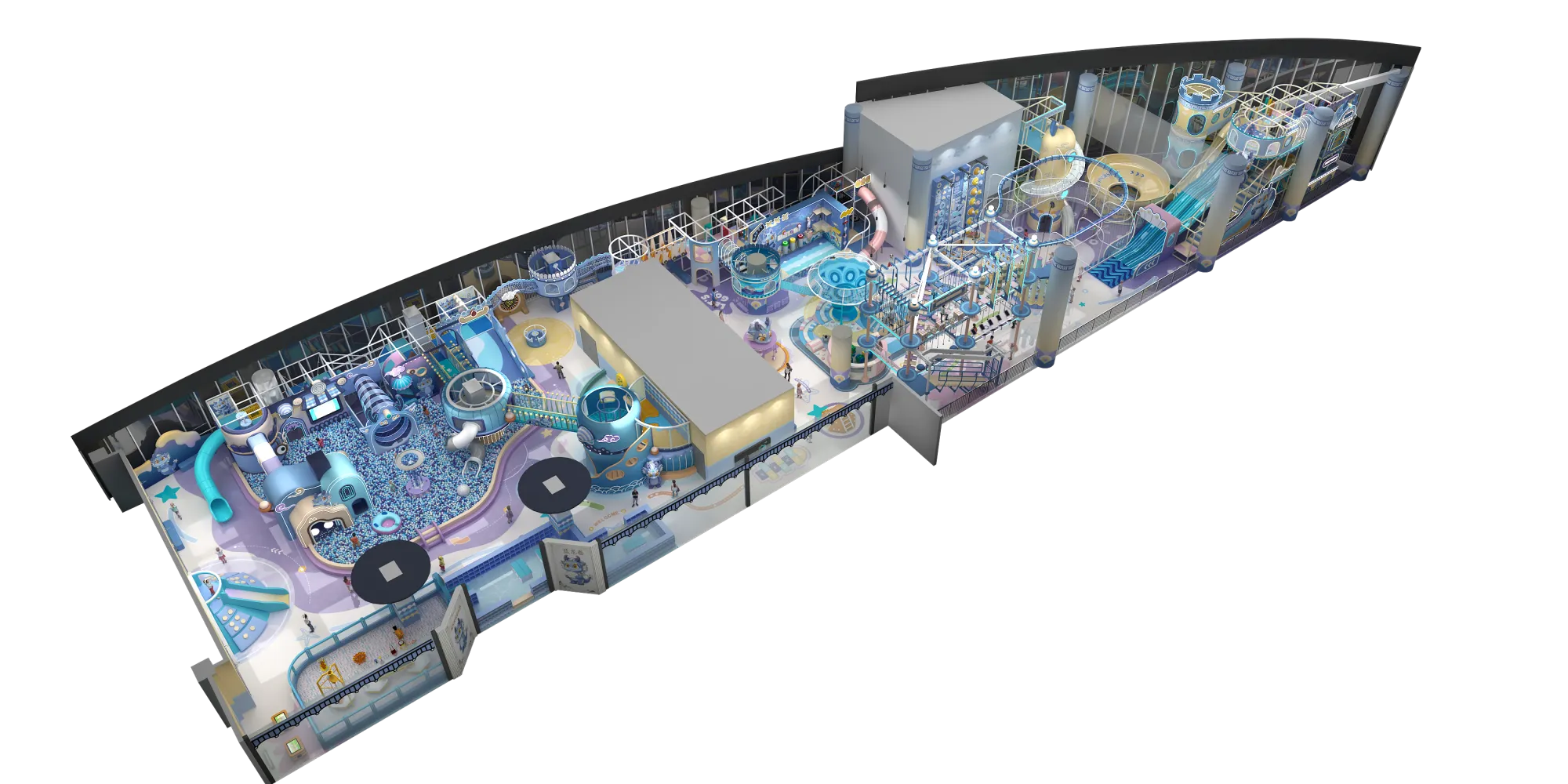
Haiber provides customized indoor playground solutions that combine slides, tunnels, ball pools, climbing structures, and themed elements. Its modular approach allows playground layouts to be adapted to different venue sizes and themes.
A well-planned indoor play area should offer different types of physical and imaginative activities rather than relying on one attraction.
An indoor play structure commonly forms the central attraction. It may integrate climbing platforms, tunnels, slides, ball pools, bridges, and other activities into a multi-level configuration.
Haiber's indoor playground solutions are designed as integrated structures, with modular configurations that can be customized according to venue size and theme. This makes them suitable for shopping centers, family entertainment centers, restaurants, daycare facilities, and other commercial environments.
A playground rock climbing wall adds a more active challenge to an indoor playground. Climbing encourages children to develop balance, coordination, strength, and confidence.
Haiber offers children's climbing walls with colorful panels and interchangeable holds. Its wider product range also includes rock climbing zones and challenge walls for more advanced play experiences.
When selecting a climbing wall, operators should consider wall height, age suitability, fall protection, climbing routes, visibility, and the relationship between the climbing zone and surrounding attractions.
Slides and ball pits are among the most recognizable components of an indoor play environment. However, combining them with interactive and creative activities can make the overall experience more varied.
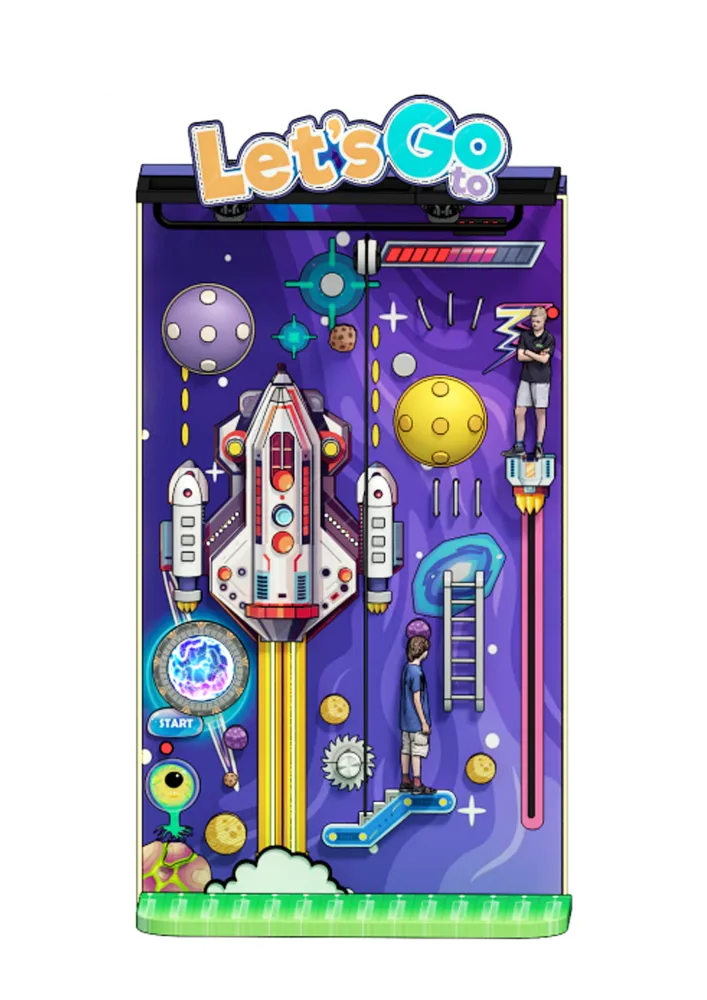
Haiber's product range includes different slide configurations, soft play products, interactive ball games, children's driving areas, ball blaster arenas, interactive sports zones, and role-play spaces. This allows operators to create several activity zones within one playground instead of concentrating all attractions in a single area.
Choosing an indoor playground supplier is an important business decision because equipment quality affects safety, durability, appearance, maintenance, and the visitor experience.
Before selecting an indoor playground equipment supplier, consider the following factors:
Selection Factor | What to Check | Why It Matters |
Product range | Slides, climbing, soft play, interactive equipment | Creates a more complete play environment |
Customization | Theme, dimensions, colors, layout | Fits the actual venue |
Safety | Materials, structure, fall protection, testing | Reduces potential hazards |
Manufacturing capability | Production and quality control | Supports consistent product quality |
Installation | Site planning and installation service | Helps ensure proper assembly |
After-sales service | Maintenance and support | Reduces long-term operating problems |
Project experience | Completed commercial projects | Demonstrates practical capability |
A supplier that can handle design, production, installation, and after-sales support may simplify project management compared with purchasing different components from multiple vendors.
Working directly with an indoor playground manufacturer can provide greater control over customization and project development.
For example, an experienced manufacturer can modify the dimensions of an indoor play structure to accommodate existing columns, ceilings, entrances, emergency routes, and other architectural restrictions.
Haiber's turnkey process covers demand communication, conceptual design, planning, rendering, industrial design, structural decomposition, equipment production, engineering installation, and after-sales maintenance. This integrated process can be especially useful for commercial projects where equipment needs to work as part of a complete interior environment.
An experienced indoor playground equipment manufacturer should also be able to discuss material selection, structural requirements, cleaning routes, replacement parts, and maintenance procedures before production begins.
Safety should be considered during the design stage rather than after installation.
For soft contained play equipment, ASTM F1918 provides safety and performance requirements covering materials and manufacture, structural integrity, entry and exit routes, maintenance, fire safety, and evacuation.
For the European market, EN 1176-1 sets general safety requirements and test methods for permanently installed public playground equipment and surfacing.
Operators should also establish regular inspection and maintenance procedures. The U.S. Consumer Product Safety Commission publishes a Public Playground Safety Checklist that recommends checking equipment and protective surfaces regularly, while paying attention to hazards such as protruding hardware, sharp edges, entrapment spaces, inadequate protective surfacing, and unstable components.
Importantly, applicable standards vary by country, project type, and equipment category. A qualified supplier should be able to discuss the standards relevant to the destination market before production.
The best indoor play area suppliers do more than provide equipment. They should help operators organize the space around actual visitor behavior.
A practical indoor playground may include:
A central slide and ball-pit zone
A toddler soft-play area
A climbing or dynamic activity zone
An interactive game area
A role-play or creative zone
Parent seating and circulation areas
Haiber's own selection guidance for a 500 m² single-level venue follows a similar zoning approach, including a slide and ball-pit zone, toddler interactive area, dynamic activity zone, quiet creative area, and circulation amenities.
Children of different ages have different physical abilities and play preferences. Toddlers may need lower soft-play structures, crawl tunnels, and small slides, while older children can use climbing walls, obstacle courses, rainbow nets, and more challenging attractions.
An indoor play area manufacturer should therefore help create age-appropriate zones instead of installing every attraction at the same difficulty level.
Parents and staff need clear sightlines across the playground. Equipment should not create unnecessary blind spots or block important circulation paths.
Maintenance should also influence equipment selection. Surfaces that are easy to clean, replaceable soft components, convenient inspection points, and durable structural materials can help reduce downtime and operating costs.
Haiber offers a broad range of commercial playground products, including indoor playground structures, slides, children's climbing walls, inflatable castles, ninja courses, trampoline parks, soft play equipment, rainbow nets, interactive products, and adventure park equipment.
Its solutions are designed for different commercial environments, including shopping centers, restaurants, daycare facilities, museums, and family entertainment centers.
For businesses comparing indoor play manufacturers, the advantage of a comprehensive product portfolio is that multiple attractions can be coordinated into one design instead of being selected independently.
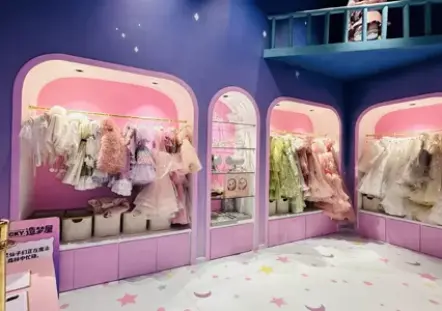
Haiber's project portfolio also demonstrates customized playground concepts for different venue sizes and themes, with projects combining slides, ball pools, climbing elements, role-play areas, trampolines, sand pits, and themed decoration according to individual project requirements.
The terms indoor play manufacturers are often used interchangeably, but they can describe different business roles.
An equipment supplier may source products from several manufacturers and provide them to customers. A manufacturer, on the other hand, is directly involved in designing and producing the equipment.
For a customized commercial playground, working with an experienced manufacturer can offer advantages in product modification, theme development, structural coordination, production control, and installation.
However, buyers should evaluate the complete service rather than choosing a company based solely on whether it calls itself a supplier or manufacturer.
Safety, suitability for the target users, durability, available space, and compliance with applicable standards should all be considered. Price alone should not determine the final selection.
Yes. Many commercial playground systems can be customized according to venue dimensions, themes, colors, age groups, and required activities. Haiber provides customized indoor playground solutions for different venue sizes and commercial applications.
A system can combine climbing structures, slides, ball pits, soft play, tunnels, role-play areas, interactive games, trampolines, rainbow nets, and other attractions depending on the available space and target audience.
Yes, when the climbing wall is specifically designed for children and incorporates appropriate height, holds, fall protection, supervision, and age-appropriate difficulty.
Check the manufacturer's product range, customization capabilities, safety approach, manufacturing experience, installation service, project portfolio, and after-sales support. It is also useful to confirm which standards apply to your market.
Correct installation affects structural stability, equipment performance, safety, and long-term maintenance. Professional installation also helps ensure that the final layout matches the approved design.
Selecting an indoor playground is a complete project decision rather than a simple equipment purchase. The right playground system should balance safety, play value, space utilization, aesthetics, maintenance, and commercial objectives.
Businesses looking for an indoor playground supplier should evaluate both the products and the supplier's ability to provide design, customization, manufacturing, installation, and ongoing support.
With its range of indoor play structures, climbing walls, slides, soft play, interactive attractions, and turnkey services, Haiber can provide a flexible starting point for businesses developing customized indoor play environments.

 English
  français
  Deutsch
  Español
  italiano
  русский
  português
  العربية
  Türkçe
  Jawa
Jawa