Hello everyone, I am Nan Lei, the Brand Operations Manager at Haiber.
Many people ask me why I have such confidence in our company and the industry. Let me be completely frank with you: it is because we have the substance to back it up. In the amusement industry, safety is the bottom line, and professionalism is our source of confidence. It is precisely through such a professional team that Haibeier perfects every single detail. Moving forward, we will continue to leverage this professionalism to deliver amusement experiences that are safer, more entertaining, and infused with cultural warmth.
Indoor soft playground equipment is designed to create a cushioned, child-friendly environment where young children can climb, crawl, slide, balance, and explore with reduced impact from everyday bumps and falls. Unlike conventional hard play structures, soft play systems use padded components and flexible surfaces to create a more comfortable experience.
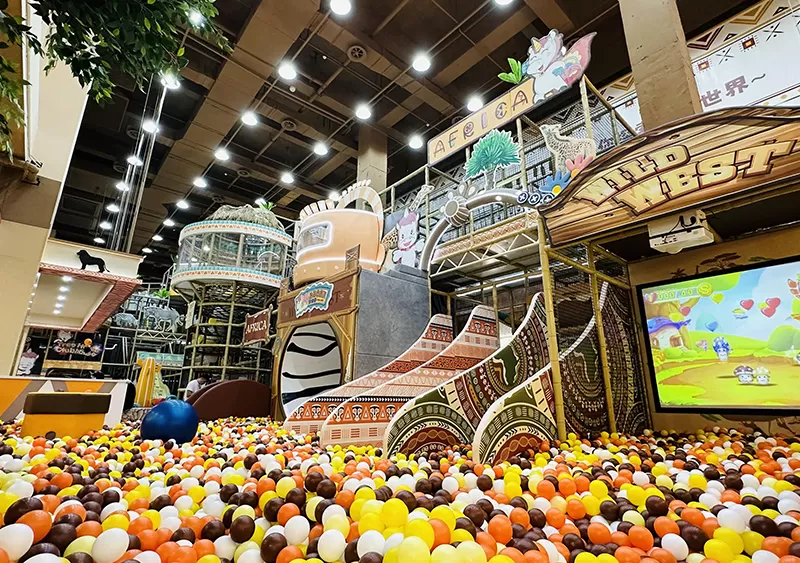
Typical indoor soft play equipment includes padded climbing blocks, ramps, tunnels, small slides, activity walls, stepping elements, soft foam play blocks, ball pits, and themed play units. These components can be arranged individually or combined into a complete soft play indoor playground.
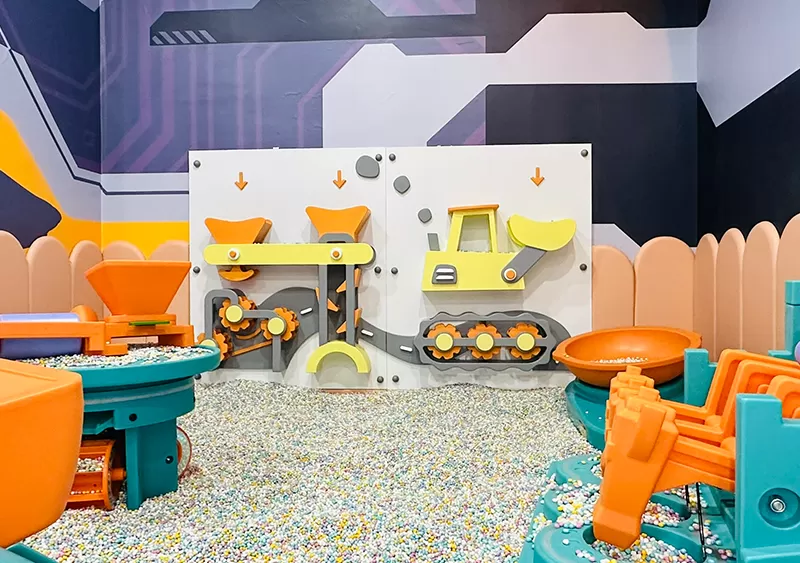
Haiber develops commercial soft play solutions for applications such as daycare centers, shopping centers, restaurants, museums, and family entertainment facilities. Its soft play range includes padded play structures, soft play carousels, sand pits, and role-play houses.
The main advantage of soft play is its ability to combine physical activity with a more forgiving play environment.
Young children are still developing balance, coordination, spatial awareness, and movement control. A thoughtfully designed soft play area gives them opportunities to practice these skills through climbing, crawling, stepping, sliding, and imaginative play.
For commercial operators, soft play can also make unused indoor space more attractive. Because the equipment is modular, operators can develop compact toddler areas or larger themed installations according to the available floor plan.
A successful soft play playground should therefore do more than fill a room. It should create a logical sequence of activities that encourages children to move from one element to another.
Not every venue needs the same combination of equipment. Selecting the right mix depends on age groups, floor area, ceiling height, visitor volume, and the type of experience the business wants to offer.
Soft foam play blocks are among the most flexible components for early-years play. Children can stack, climb over, crawl around, or use them as part of imaginative games.
For younger children, low ramps, padded steps, arches, hills, and tunnels can create a simple movement circuit. Haiber's Crawly Fun Fort, for example, uses padded hills, ramps, and arches to encourage babies to crawl, climb, and slide while exploring a cushioned environment.
A soft play ball pit can become a high-engagement feature within an indoor play area. It gives children an opportunity to jump, move, search, and interact with other children.
When planning a ball pit, operators should consider its dimensions, access points, surrounding circulation, cleaning requirements, and visibility. The pit should also be integrated into the overall layout rather than treated as an isolated attraction.
Soft play does not have to focus exclusively on physical movement. Role-play houses and themed elements can introduce imaginative activities that complement climbing and crawling.
Haiber's soft play range includes role-play houses alongside soft play structures and sand pits, allowing operators to combine physical and imaginative activities within the same children's zone.
When comparing commercial soft play equipment, buyers should evaluate more than appearance and purchase price.
Factor | What to Evaluate | Commercial Benefit |
Age suitability | Height, difficulty, activity type | Supports safer age-appropriate play |
Foam construction | Density, resilience, padding | Improves durability and comfort |
Surface material | Cleanability and wear resistance | Simplifies daily maintenance |
Layout | Circulation and visibility | Improves supervision |
Modularity | Replaceable or rearrangeable elements | Supports future changes |
Theme | Colors, shapes, visual identity | Strengthens venue appeal |
Flooring | Impact absorption and durability | Creates a more complete play environment |
Supplier service | Design, manufacturing, installation | Simplifies project management |
Businesses looking for soft play equipment for sale should also ask whether the equipment is intended for commercial use. Commercial installations experience considerably more frequent use than a small residential play area, so material selection, construction quality, maintenance, and replacement support are important.
Soft play flooring is an essential part of the overall environment. The floor should complement the equipment rather than simply occupy the space between individual play elements.
Depending on the project, operators may consider cushioned mats, impact-attenuating surfaces, or other flooring systems designed for children's play environments.
Purchasing soft playground flooring should involve consideration of impact performance, seams, cleaning, durability, and long-term maintenance rather than color alone.
A coordinated flooring surface can also help create a visually continuous environment when it matches the colors and theme of the equipment.
Safety should be incorporated into product selection, layout, installation, and daily operation.
ASTM F1918-21 provides safety and performance requirements for soft contained play equipment. Its scope addresses areas including materials and manufacture, structural integrity, access and egress, maintenance, fire safety, and evacuation.
The U.S. Consumer Product Safety Commission also provides a specific checklist for soft contained play equipment. It recommends checking safety netting, ropes, cargo webbing, floor surfaces, and general cleanliness.
In Europe, EN 1176-10 provides additional specific safety requirements and test methods for fully enclosed play equipment, covering issues such as fire safety, impact protection, visibility, and design of multi-level indoor structures commonly used in soft play areas.
Third-party certification bodies such as IPEMA offer independent validation of playground equipment against recognized safety standards, helping commercial operators verify product compliance when selecting soft play systems.
For operators, a practical maintenance program should include:
Inspecting padded surfaces for tears or exposed areas
Checking seams and connections
Cleaning high-touch surfaces regularly
Inspecting nets, ropes, and barriers
Checking flooring for damage or separation
Removing damaged components from service
Keeping inspection and maintenance records
These procedures are particularly important for commercial soft play equipment, where heavy daily use can accelerate wear.
A good indoor soft play area should not treat every child as the same type of user.
Toddlers generally benefit from lower-level activities that emphasize crawling, climbing, stepping, and basic balance. Soft foam blocks, small ramps, tunnels, padded arches, and low slides can create an appropriate activity sequence.
The goal is not to make the structure complicated. Instead, the environment should provide simple challenges that children can repeat as they gain confidence.
Older children can use more complex climbing structures, obstacle-style routes, interactive features, ball pits, and themed play areas. Separate activity zones can reduce conflicts between children with different movement abilities.
When space allows, separating age groups can also improve supervision and help operators create equipment with an appropriate level of challenge.
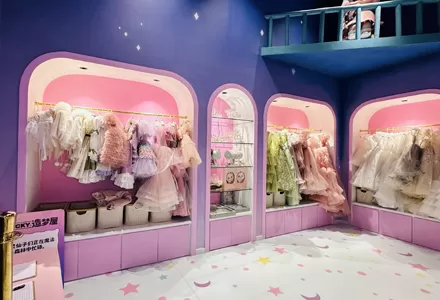
Color is an increasingly important part of commercial children's spaces. Pastel soft play equipment can create a softer, contemporary visual identity compared with traditional bright primary-color playgrounds.
Pastel pink, cream, blue, green, beige, and other muted tones can work particularly well in:
Boutique children's play cafes
Daycare centers
Parent-child activity centers
Shopping mall play areas
Family entertainment centers
Themed indoor play spaces
However, aesthetics should not replace functionality. Colors, shapes, and themes should be selected after considering cleaning, visibility, circulation, age suitability, and equipment maintenance.
Haiber's custom approach allows soft play concepts to be developed around different commercial environments and project themes rather than relying on one standard configuration. Its broader project portfolio includes themed concepts such as Macaron Theme and Super Orange Indoor Playground.
For a larger commercial project, working with experienced soft play equipment manufacturers can simplify customization and production.
A professional manufacturer should be able to coordinate product design, dimensions, materials, colors, structural details, and installation requirements. This becomes especially important when a play area needs to fit around columns, entrances, existing walls, low ceilings, or other architectural constraints.
Haiber describes its commercial playground service as a turnkey process covering demand communication, conceptual design, planning, rendering, industrial design, structural decomposition, equipment production, installation, and after-sales maintenance.
This type of integrated service can be useful for buyers comparing soft play manufacturers.
When comparing soft play area equipment for sale, create a specification checklist before requesting quotations.
Consider:
1. Target age range
2. Available floor area
3. Ceiling height
4. Expected daily visitor volume
5. Required play activities
6. Foam and surface materials
7. Flooring requirements
8. Cleaning procedures
9. Custom colors and themes
10. Installation and after-sales service
This approach helps buyers compare different quotations based on the complete solution instead of choosing equipment only by its initial price.
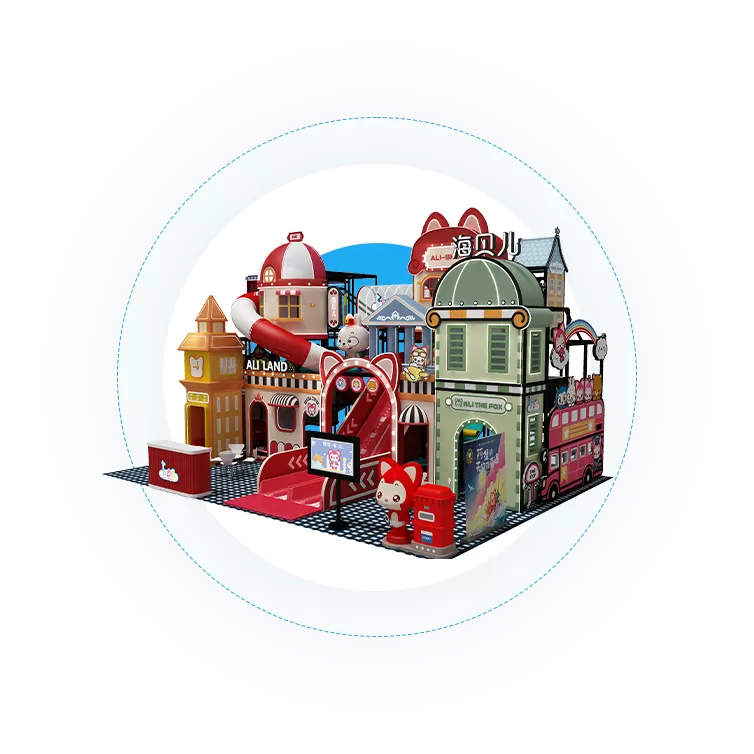
Indoor soft play equipment consists of padded play elements designed for children's indoor activity areas. Common products include soft climbing structures, ramps, tunnels, slides, foam blocks, ball pits, and role-play units.
Yes. Commercial soft play equipment is specifically designed for high-use environments such as family entertainment centers, shopping centers, daycare facilities, restaurants, and children's activity venues.
A ball pit should have an appropriate structure, safe access and egress, suitable surrounding circulation, cleanable surfaces, and a layout that allows staff to supervise children effectively.
Flooring is an important part of the overall play environment. It should be selected based on impact performance, durability, cleaning requirements, and the applicable safety standards.
Yes. Commercial soft play can often be customized in terms of dimensions, colors, themes, layouts, and activity combinations. Haiber provides custom-designed commercial soft play solutions.
Businesses can contact specialized soft play equipment suppliers for project quotations. Buyers should compare product specifications, commercial-use suitability, customization capability, installation, and after-sales support.
The right indoor soft playground equipment should combine comfort, durability, safety, play value, and visual appeal. A complete solution may include soft foam play blocks, padded climbing elements, tunnels, slides, ball pits, role-play units, and appropriate soft play flooring.
For businesses searching for soft play equipment for sale, the most important step is to define the target users and operational requirements before choosing products. An experienced soft play manufacturer can then help turn those requirements into a practical and attractive commercial play environment.
With its range of soft play structures, ball-pit solutions, role-play products, and customized commercial playground services, Haiber provides options for businesses developing professional indoor children's play spaces.

 English
  français
  Deutsch
  Español
  italiano
  русский
  português
  العربية
  Türkçe
  Jawa
Jawa