Hello everyone, I am Nan Lei, the Brand Operations Manager at Haiber.
Many people ask me why I have such confidence in our company and the industry. Let me be completely frank with you: it is because we have the substance to back it up. In the amusement industry, safety is the bottom line, and professionalism is our source of confidence. It is precisely through such a professional team that Haibeier perfects every single detail. Moving forward, we will continue to leverage this professionalism to deliver amusement experiences that are safer, more entertaining, and infused with cultural warmth.
A complete turnkey indoor playground proposal should cover the entire project lifecycle, including concept design, space planning, equipment manufacturing, quality inspection, shipping, installation, safety testing, training, and after-sales support. A professional proposal from experienced indoor playground equipment manufacturers should not only list products but also define the complete delivery scope, responsibilities, timelines, and investment expectations.
For investors, developers, and commercial operators, choosing a turnkey indoor playground solution means working with a partner who can transform an empty space into a safe, attractive, and profitable children’s entertainment facility. A detailed project proposal helps avoid unexpected costs, construction delays, and operational issues after opening.
Before creating a design concept, a professional supplier should conduct a detailed feasibility review to understand the project goals, target customers, and site conditions.
A complete discovery phase usually includes:
Business objectives analysis: Understanding whether the project is designed for shopping malls, family entertainment centers, restaurants, hotels, schools, or community spaces.
Target age group research: Defining whether the playground focuses on toddlers, preschool children, school-age children, or mixed-age users.
Site evaluation: Reviewing floor area, ceiling height, entrances, columns, lighting conditions, emergency exits, and available facilities.
Budget planning: Matching equipment selection, design complexity, and expected return on investment.
Local safety requirements: Considering regional regulations and international playground safety standards.
A reliable proposal should explain how the recommended solution fits the business model rather than simply providing an equipment quotation.
A successful turnkey indoor playground requires more than colorful equipment. The design should create an engaging customer experience while maximizing space utilization and operational efficiency.
A full project proposal should include:
Professional suppliers develop concepts based on:
Brand positioning
Customer demographics
Local market preferences
Educational or entertainment goals
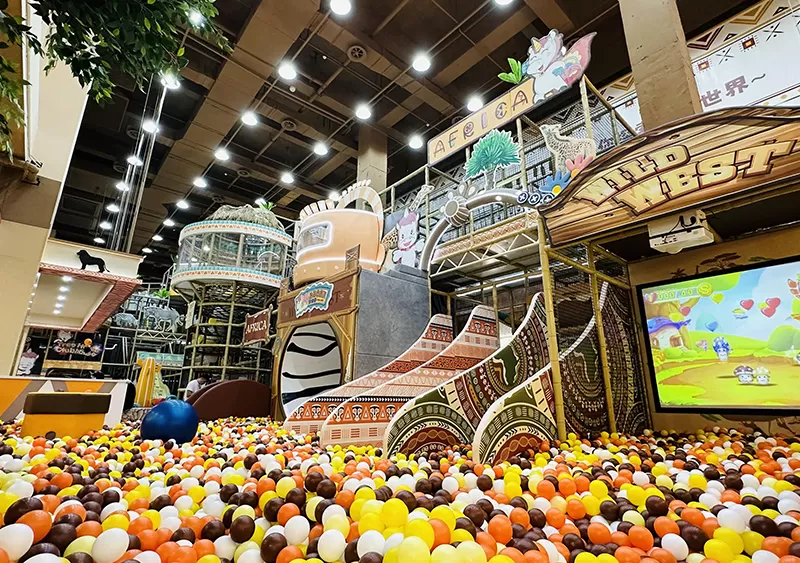
Popular themes may include adventure worlds, ocean exploration, jungle environments, space themes, or customized brand concepts.
The proposal should define:
Equipment placement
Activity zones
Reception and waiting areas
Toddler zones
Party rooms
Staff operation areas
Safety buffer spaces
An experienced indoor playground equipment manufacturers team should optimize the layout to increase visitor flow, improve supervision, and encourage longer customer stays.
Most turnkey projects include:
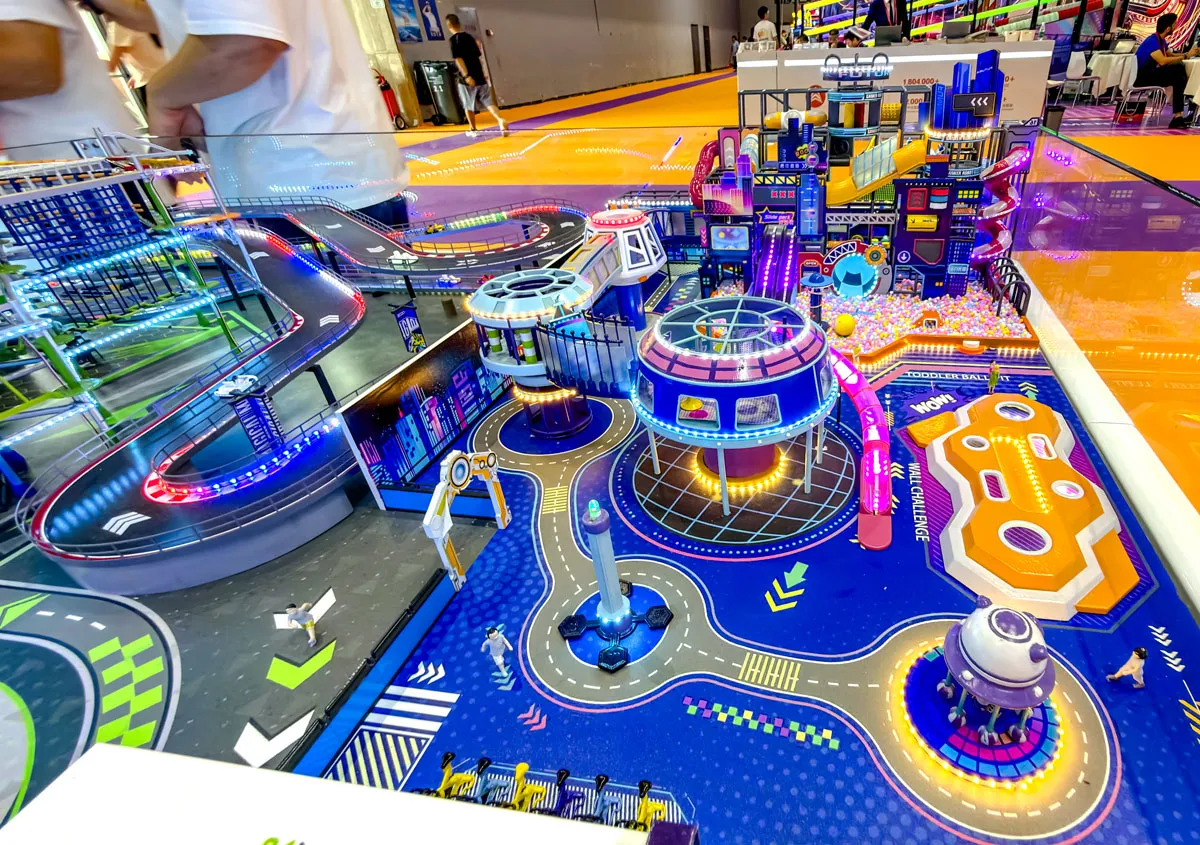
3D renderings
Floor plans
Color schemes
Material selection
Customer revision process
This allows investors to understand the final appearance before production begins.
A complete indoor playground set proposal should provide detailed technical information about the equipment, not only product images.
Key components include:
The engineering package should specify:
Main frame structure
Connection systems
Load-bearing calculations
Safety protection design
Space requirements
Depending on the project size, an indoor playground set may include:
Soft play structures
Slides
Ball pools
Climbing elements
Interactive games
Trampolines
Toddler play areas
Role-play sections
Ninja courses
Adventure activities
A professional proposal should clearly describe:
Fire-resistant materials
Non-toxic coatings
Soft padding materials
Rounded edges
Protective netting
Safety barriers
Detailed engineering documentation helps customers understand why equipment pricing differs between suppliers and ensures long-term durability.
The manufacturing stage determines the safety, durability, and appearance of the final playground.
A complete turnkey proposal should include:
Professional indoor playground equipment manufacturers typically provide:
Raw material selection
Metal cutting and welding
Surface treatment
Foam and PVC processing
Component assembly
Final inspection
Important inspection points include:
Material quality testing
Structural strength checks
Component fitting inspection
Safety feature verification
Finished product evaluation
For international projects, suppliers may provide:
Factory acceptance inspection
Production photos and videos
Quality reports
Pre-shipment confirmation
This process gives customers confidence that the delivered equipment matches the approved design.
A full turnkey proposal should clearly explain logistics and installation responsibilities.
The supplier should provide:
Packing plans
Container loading optimization
Shipping documentation
Installation manuals
Spare parts lists
Before installation, clients may need to complete:
Floor preparation
Electrical work
Lighting installation
HVAC preparation
Wall finishing
Space clearance
A complete turnkey package may include:
Installation team arrangement
On-site assembly
Equipment adjustment
Safety inspection
Installation completion report
Clear installation planning prevents delays during the final construction stage.
Before opening, the supplier should provide a structured handover process.
A professional project proposal should include:
Final checks may cover:
Equipment stability
Connection strength
Safety padding
User movement areas
Operational risks
Important documents include:
Equipment drawings
Installation manuals
Maintenance instructions
Safety guidelines
Warranty information
Training may cover:
Daily equipment inspection
Cleaning procedures
Safety supervision
Emergency response
Basic maintenance
A successful handover ensures the operator can manage the playground efficiently after launch.
Many project misunderstandings happen because responsibilities are not clearly stated.
A professional turnkey proposal should define:
Usually include:
Design development
Equipment manufacturing
Quality inspection
Packing and shipping support
Installation guidance
Technical support
May include:
Providing accurate site information
Obtaining local permits
Preparing construction conditions
Completing payment schedules
Coordinating local contractors
A transparent scope agreement helps both parties manage expectations and avoid additional costs.
A complete turnkey package should include design, equipment production, quality control, transportation support, installation, testing, training, and after-sales service. The proposal should define every stage from initial planning to final operation.
Look for manufacturers with:
Proven international project experience
Professional design capabilities
Factory production facilities
Safety certifications
Installation support
Customer references
A supplier’s ability to manage the entire project is often more important than equipment price alone.
The timeline depends on project size, design complexity, manufacturing capacity, shipping distance, and installation requirements. A typical turnkey project includes several stages: design approval, production, transportation, installation, and final inspection.
Major cost factors include:
Playground size
Equipment type and quantity
Custom theme design
Material selection
Safety requirements
Shipping distance
Installation services
A detailed proposal should separate these factors so investors understand the total investment.
A turnkey indoor playground project proposal should be more than a product list. It should serve as a complete project roadmap covering design, engineering, manufacturing, installation, and operation preparation.
Working with experienced indoor playground equipment manufacturers allows investors to reduce project risks, improve construction efficiency, and create a safer, more attractive entertainment environment. From customized concepts to the final indoor playground set installation, a comprehensive delivery plan is the foundation of a successful commercial playground business.

 English
  français
  Deutsch
  Español
  italiano
  русский
  português
  العربية
  Türkçe
  Jawa
Jawa