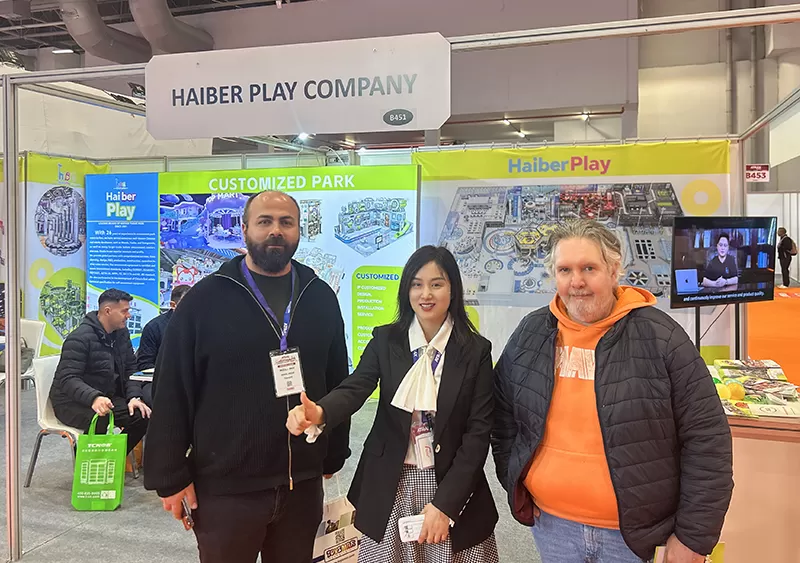
Hello everyone, I am Nan Lei, the Brand Operations Manager at Haiber.
Many people ask me why I have such confidence in our company and the industry. Let me be completely frank with you: it is because we have the substance to back it up. In the amusement industry, safety is the bottom line, and professionalism is our source of confidence. It is precisely through such a professional team that Haibeier perfects every single detail. Moving forward, we will continue to leverage this professionalism to deliver amusement experiences that are safer, more entertaining, and infused with cultural warmth.
Starting an indoor playground business requires more than purchasing colorful play equipment and placing it in an available space. A successful project needs careful planning around customer experience, space utilization, attraction combination, safety requirements, and long-term operation. For investors, the most important decision is not only what equipment to install, but how to create a complete entertainment environment that encourages visitors to return.
An indoor playground project combines entertainment, physical activity, and family interaction. With professional planning, commercial venues can transform indoor areas into engaging destinations for children and families.
An indoor playground business is a commercial entertainment project that creates indoor activity spaces where children and families can enjoy physical play, exploration, and interactive experiences.
Unlike a simple play area, a commercial indoor playground usually requires coordinated planning of attraction zones, visitor flow, safety management, and operational needs. The goal is to create an environment that provides value for both children and accompanying adults.
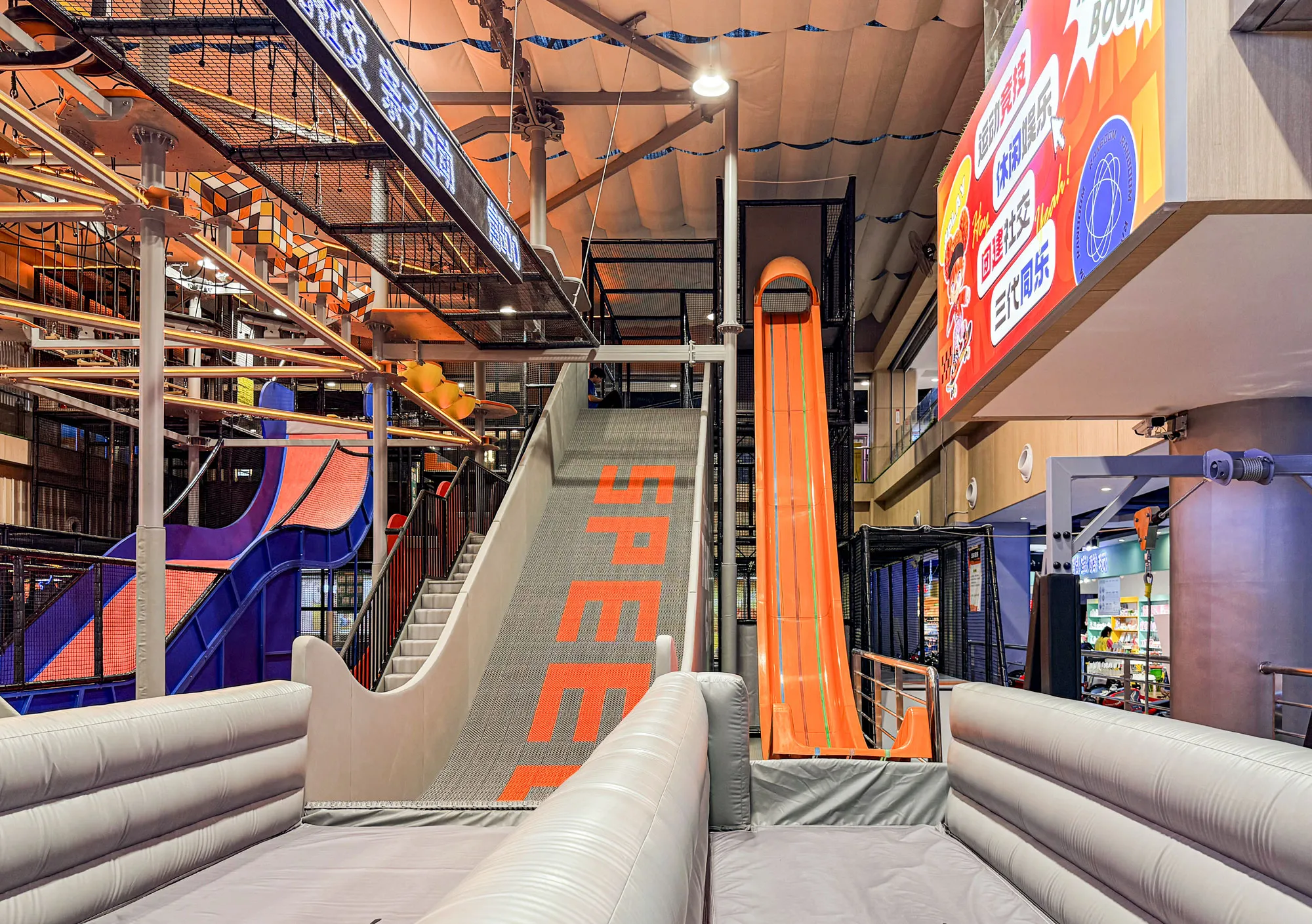
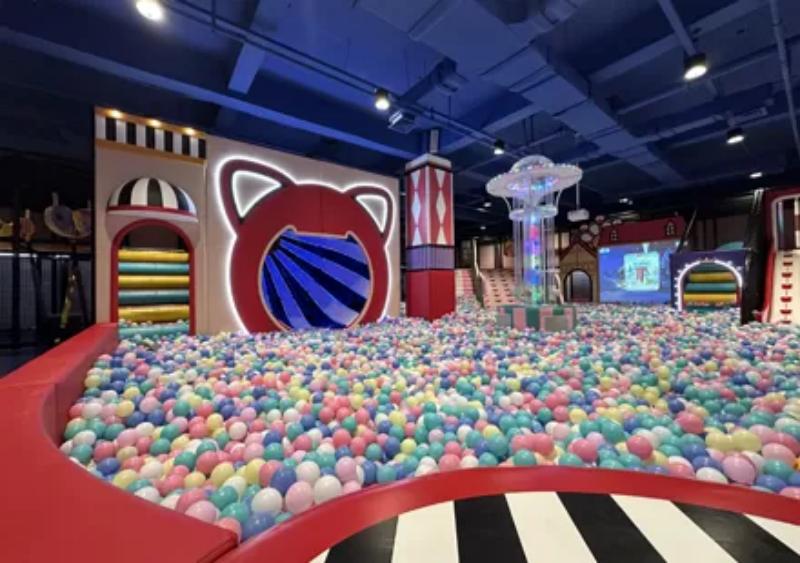
Modern indoor playground projects can include climbing structures, slides, soft play areas, interactive attractions, themed environments, and other customized elements depending on the venue concept.
Strategic planning determines whether an indoor playground can effectively use available space and provide a memorable visitor experience.
Many commercial projects fail not because of insufficient equipment, but because the overall design does not match customer expectations. A playground should consider the target audience, expected visitor behavior, available space, and the type of experience the operator wants to create.
A shopping mall project may require a different approach compared with a daycare facility or a family entertainment center. Understanding the business purpose before production helps avoid unnecessary adjustments later.
Space evaluation is one of the first steps in developing an indoor playground project.
The available area influences equipment configuration, activity zones, circulation routes, and customer comfort. Height, entrance location, supporting facilities, and surrounding commercial environment should all be considered during planning.
A professional design process should not simply fill every available square meter. Instead, it should create a balanced environment where children can move naturally between different activities while parents can maintain visibility.
Important considerations include:
Available floor area and ceiling height
Visitor movement paths
Age group requirements
Parent waiting areas
Maintenance access
A successful indoor playground usually combines multiple experience zones rather than relying on a single attraction.
Different zones allow operators to serve different age groups and create longer visitor engagement. Younger children may prefer softer exploration areas, while older children may enjoy more challenging activities.
A carefully planned layout can connect different experiences together. For example, climbing areas can lead visitors toward slides, interactive zones, or themed play environments.
This approach helps create a complete commercial indoor playground concept instead of an isolated collection of products.
A commercially successful indoor playground needs to provide value beyond entertainment.
The strongest projects focus on creating memorable experiences. Theme design, activity variety, visual appeal, and comfortable visitor flow all influence how customers perceive the venue.
A comparison between different project approaches can help investors understand the difference:
| Project Approach | Main Feature | Long-Term Value |
|---|---|---|
| Basic equipment placement | Focuses on individual products | Limited differentiation |
| Integrated playground design | Combines multiple experiences | Better visitor engagement |
| Customized entertainment concept | Matches brand and venue goals | Stronger market identity |
Equipment selection affects daily operation, maintenance requirements, and customer experience.
Commercial projects require solutions designed for frequent use. Investors should consider durability, cleaning requirements, safety design, and whether equipment can be adapted to future changes.
Working with a professional indoor playground equipment supplier can help operators coordinate different products and create a complete project solution rather than purchasing unrelated attractions.
The selection process should focus on overall project value instead of only the initial purchase cost.
An experienced project partner can support more than equipment manufacturing.
From concept development and design planning to production and installation, professional support helps reduce communication difficulties and improve project execution.
A qualified indoor playground manufacturer can provide better coordination because design, production, and installation processes are managed within one system.
Haiber Play provides customized commercial playground solutions covering planning, design, production, installation, and after-sales support.
Haiber Play focuses on creating customized indoor playground environments for different commercial applications. Its product range includes indoor playground equipment, soft play, rainbow net, interactive products, adventure attractions, and other solutions.
The company supports projects through a complete development approach, helping customers transform ideas into practical entertainment spaces.
For businesses developing a new indoor playground, cooperation with an experienced manufacturer can simplify project communication and ensure that different attractions work together as one complete environment.
Many investors focus heavily on appearance while ignoring operational requirements.
Common mistakes include selecting equipment without considering target users, creating poor visitor circulation, overlooking maintenance needs, or failing to plan future expansion.
A successful project should balance creativity with practicality. The best playground is not necessarily the largest one, but the one that creates a comfortable and engaging experience for its intended audience.
Indoor playground development is moving toward more customized and immersive experiences.
Operators increasingly look for unique themes, interactive elements, and flexible designs that differentiate their venues from competitors.
Future projects will continue focusing on combining entertainment, physical activity, creativity, and family interaction. Companies that carefully plan their concepts from the beginning will have stronger opportunities to build attractive long-term destinations.
The required space depends on the project type, target customers, available attractions, and business goals. A professional design plan should evaluate the complete venue environment before selecting equipment.
Indoor playground projects may combine climbing structures, slides, soft play elements, interactive products, themed attractions, and other customized solutions depending on the venue requirements.
Yes. Commercial indoor playground projects can be customized according to available space, theme requirements, target users, and operational objectives.
A manufacturer can provide better coordination between design, production, installation, and project requirements compared with purchasing separate equipment from different suppliers.
Investors should evaluate space, target customers, experience design, equipment quality, safety requirements, maintenance, and long-term business goals.
Haiber Play provides customized playground solutions including design, production, installation, and after-sales support for commercial entertainment projects.
Starting an indoor playground business requires careful planning rather than simply selecting equipment. A successful project combines space utilization, visitor experience, attraction planning, and reliable project support. By working with an experienced partner such as Haiber Play, businesses can develop customized indoor playground environments designed around their specific commercial goals.
ASTM F1918 – Standard Safety Specification for Soft Contained Play Equipment
https://www.astm.org/f1918-21.html
U.S. Consumer Product Safety Commission – Public Playground Safety Handbook
https://www.cpsc.gov/s3fs-public/325.pdf
International Association of Amusement Parks and Attractions (IAAPA)
https://www.iaapa.org/

 English
  français
  Deutsch
  Español
  italiano
  русский
  português
  العربية
  Türkçe
  Jawa
Jawa